
Spring Wildlife Babies: What To Do If You Find One
Spring in Ohio brings longer days, warmer temperatures, blooming flowers—and one of nature’s most incredible sights: wildlife babies.
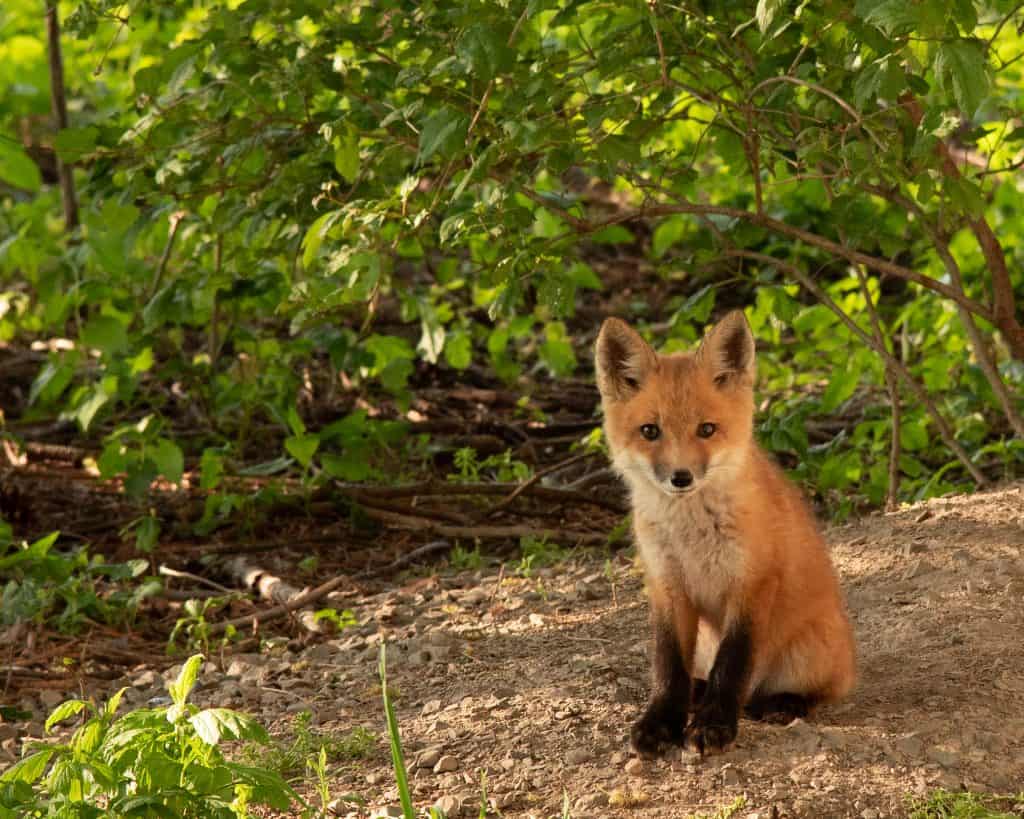
Across parks, backyards, and natural spaces throughout Allen County and Northwest Ohio, young animals begin appearing everywhere. From wobbly white-tailed deer fawns to scruffy fledgling birds learning to fly, spring is one of the busiest seasons in the wildlife world.
Seeing a baby animal alone can spark immediate concern. Many people assume the animal has been abandoned and needs help. However, in most cases, young wildlife found alone are exactly where they are supposed to be.
Understanding how wildlife parents care for their young is one of the best ways we can help protect them.
Why Wildlife Babies Are Often Found Alone
Many wild animals intentionally leave their young alone for periods of time as a survival strategy.
Remaining hidden and quiet protects young animals from predators. Adult animals may stay away for hours to prevent leading predators back to the nest or hiding spot.
This behavior may seem unusual to us, but it is a critical part of how wildlife survives.
Some of the most commonly encountered spring wildlife babies include:
- White-tailed deer fawns
- Fledgling birds
- Eastern cottontail rabbit kits
Each species uses unique strategies to protect its young.
White-Tailed Deer Fawns: Why They Are Left Alone
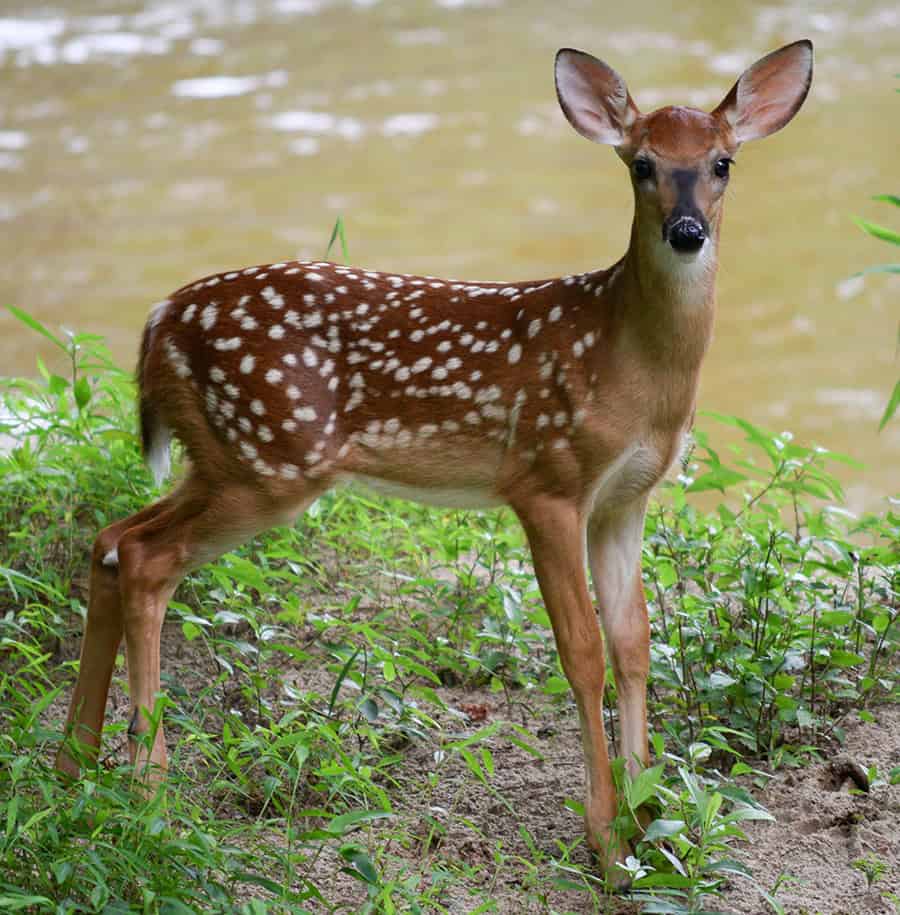
One of the most commonly “rescued” animals during spring is the white-tailed deer fawn.
Newborn fawns spend the first few weeks of life hiding in tall grass, wooded areas, or other protected spots while their mothers search for food.
During this early stage, fawns have an incredible defense: they are almost completely scentless.
Without scent, predators cannot easily detect them.
Because adult deer do have scent, mother deer stay away for long periods of time. This prevents predators from finding the hidden fawn.
The mother will return periodically to nurse the fawn, often only a few times each day.
Even if a fawn appears to be alone, it is very likely being carefully watched and protected nearby.

Fledgling Birds: Learning to Fly
Another baby animal people often encounter in spring is a fledgling bird.
Fledglings can usually be identified by their slightly scruffy appearance. They may have patches of fluffy feathers and look somewhat awkward compared to adult birds.
These young birds have left the nest but are still learning essential skills like flying, balancing, and searching for food.
During this stage, they may spend time:
- Sitting on low branches
- Hopping across the ground
- Practicing short flights
While they may appear alone, their parents are usually close by, watching and bringing food when needed.
These early learning experiences are critical for the bird’s survival.
Baby Rabbits: Hidden Nests in Unexpected Places
Eastern cottontail rabbits are another species whose young are frequently found by people.
Mother rabbits often build nests in:
- Lawns
- Gardens
- Flower beds
- Open grassy areas
Because these locations overlap with human activity, rabbit nests are often accidentally discovered.
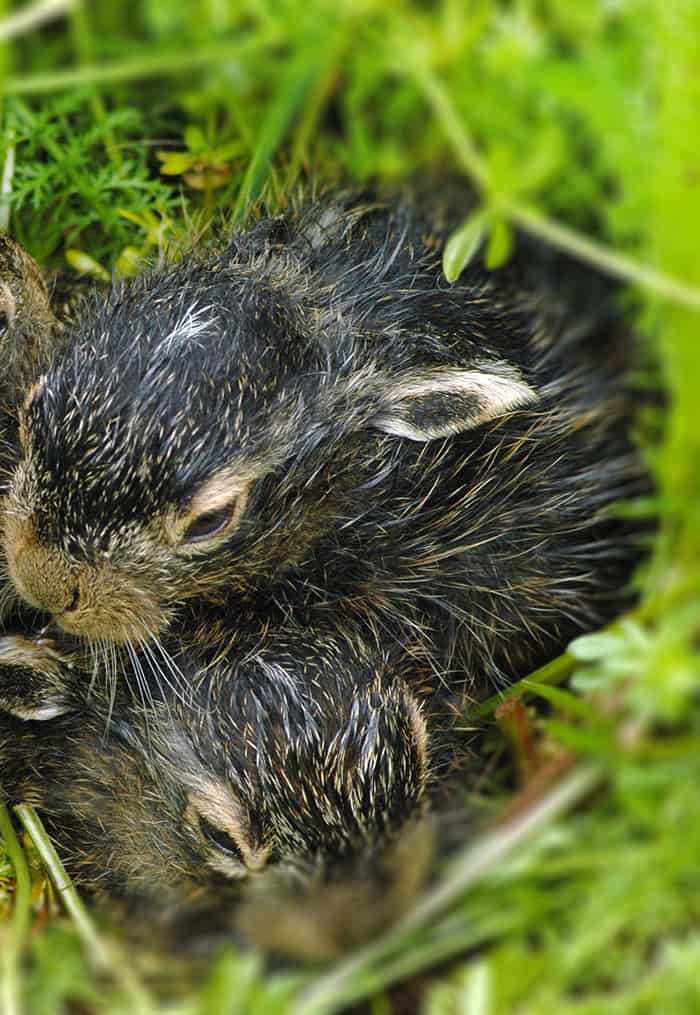
Baby rabbits are born blind, hairless, and extremely vulnerable. Their best defense is remaining completely still and quiet.
To avoid attracting predators, mother rabbits stay away from the nest most of the day. They typically return only twice daily, around dawn and dusk, to feed their young.
If you find baby rabbits in a nest, the best action is simply to leave them undisturbed.
What To Do If You Find a Baby Animal
When encountering a baby animal in the wild, the most helpful thing you can do is leave it alone.
Although it may feel natural to want to help, human intervention often causes more harm than good.
Here are the best steps to follow:
1. Give the animal space
Avoid getting too close or handling the baby animal.
2. Keep pets and people away
Dogs and curious onlookers can cause stress or scare away the parent animal.
3. Do not move the animal
Parents rely on location cues to find their young. Moving the animal can prevent the parent from returning.
4. Observe from a distance
If you are concerned, watch from far away for signs of the parent returning.
In most cases, the young animal is exactly where it needs to be.
When Should You Intervene?
There are only a few situations when intervention may be necessary.
You should seek help from wildlife professionals if:
- The baby animal is visibly injured
- The animal is in immediate danger (such as on a roadway)
- The parent is confirmed deceased
- The young animal is clearly unable to care for itself
If intervention is necessary, contacting a licensed wildlife rehabilitator is the safest option.
Let Wildlife Stay Wild
Wild animals are remarkably well adapted to survive without human assistance.
By understanding normal wildlife behavior and responding thoughtfully, we can help ensure baby animals grow up healthy and wild.
Sometimes the best way to help nature is simply to observe, appreciate, and give wildlife the space it needs.
Spring is a wonderful time to explore local parks and witness the incredible cycle of life unfolding in nature.
Just remember: when you see a wildlife baby, it is usually right where it belongs.